Melbourne digital marketing agencies: independents, outposts and how to brief
Melbourne’s agency scene is a culture map, not a ranking. Holding-group floors, laneway creative and Collingwood performance shops sell different manners. The brief should name the decision, not the postcode.
By DMA Editorial · DMA Australia · 21 January 2026
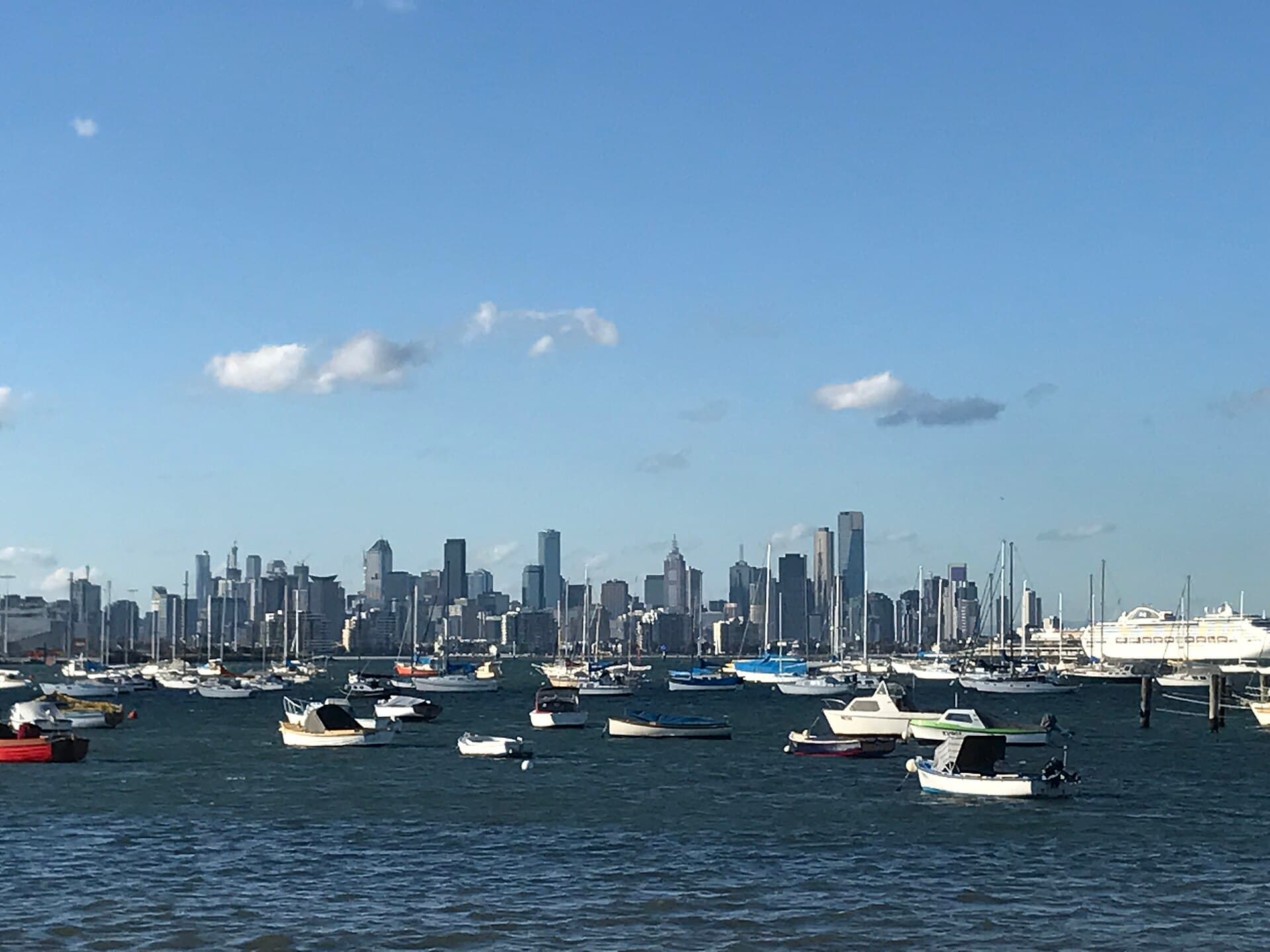
Image: MelbourneStar · CC BY-SA 4.0. See all image credits.

Melbourne still sells itself as the city that takes the work seriously. That is half a craft tradition and half a tourism line. The agency scene here is not a ranked list of shops, and it is not a directory of logos waiting to go stale the week someone rebrands. It is a set of rooms with different manners: holding-group floors on St Kilda Road and in the CBD, independents in Collingwood, Cremorne, Fitzroy and South Melbourne, and a laneway creative culture that is both a real way of making things and a way of charging for atmosphere.
This desk covers city scenes because buyers keep asking which postcode to trust. The useful answer is almost never the postcode. It is whether the room you are sitting in can hold your brief without turning it into a reel.
The map is cultural, not hierarchical
Melbourne’s agency geography is easier to read as manners than as a league table. The CBD and Southbank still host the Australian outposts of the global holding groups — the WPP, Publicis, Omnicom, IPG and Dentsu families that also keep larger floors in Sydney. Those offices exist because national advertisers and listed companies want a name their procurement team has already approved in London or New York. They are not automatically better at search, social or a mid-market website. They are better at surviving a six-month panel process.
The inner north and the old industrial pocket around Cremorne grew a different habit. Rent was lower, warehouses took desks, and planners and performance people sat closer to the brands spending on Google and Meta. Collingwood became shorthand for shops that talk about incrementality and creative cut into six lengths. That shorthand is a decade old. Some of those rooms still do the work. Some of them sell the postcode.
South of the river, South Melbourne still mixes design-led independents with shops that grew out of production. The freelance bench — editors, directors, strategists who left a network — is thicker than the remaining St Kilda floors. A buyer who only tours Collingwood will miss it. A buyer who only tours Collins Street will mistake a reception for a capability.
None of this is a ranking. A competent SEO shop can sit in a converted factory or on a holding-group floor. The question is who writes the work, who presents it, and whether those are the same person after month three.
Holding-group outposts and why procurement likes them
The holding-group pitch in Melbourne is rarely “we are more creative”. It is continuity, insurance, and a media contract that can be reconciled in three markets. If your board already buys through a global alignment, the Melbourne office is often an execution layer. That can be exactly what you need. A bank, an insurer or a university with a national footprint may not want an independent’s opinion on the brand system. They want someone who can take a master and make it work in Victoria.
The cost of that comfort is familiar. Senior people appear at the pitch. The account is then run by a team whose names were in the appendix. Reporting is thorough and slow. The work that requires a fight — killing a channel, saying the offer is the problem, refusing a brief that is really a banner request — is harder to get, because the commercial relationship is larger than your brand manager.
Independents sell the opposite manners. The person who wrote the proposal is in the room. Decisions are faster. The risk is capacity and specialisation. A twelve-person shop that is excellent at performance creative may not have a technical SEO lead, a CRM person, or anyone who has sat through a Victorian government tender. That is not a moral failure. It is a staffing fact. The brief should say which of those things you actually need.
Laneway creative as craft and as sales story
Melbourne’s laneway mythology is not invented. There is a long local habit of design, publishing, hospitality brands and cultural work that does not look like a national television reel. Buyers who want that texture — a produce label, a venue group, a fashion house, a public institution — are not foolish for walking into a studio that still talks about craft. They are foolish if they confuse the studio’s interior with a media plan.
Laneway creative, as a sales story, promises that the work will feel like Melbourne. Sometimes it does. Sometimes it is a mood board of bluestone and a serif already used on three coffee companies. Ask to see the last three jobs that shipped. This desk does not reprint awards lists. Awards are a trade conversation, not a proxy for whether a shop can move a subscription or a store visit.
If you need brand and performance in the same retainer, say so in the first paragraph. Melbourne is full of rooms that can do one and will staff the other with a contractor. That can work. It should be priced and named.
Collingwood and the performance turn
The inner-north performance story is also not invented. When Australian ecommerce and direct-to-consumer brands needed someone who could write an offer, cut a dozen ads and read a platform interface, a lot of that labour sat between Smith Street and the river. The useful version of that shop still exists. It is less interested in your brand film than in whether the landing page tells the truth and whether the pixel is lying.
The stale version sells “full-funnel” and then staffs the account with a media buyer and a designer who have never spoken to your operations team. Performance work that ignores stock, freight, retail calendars or a sales force is just spend. Put those constraints in the brief before you ask for a channel mix. Treat the suburb as a hint about rent and peer group, not as a quality score.
What a Melbourne brief should actually contain
The chemistry meeting is a Melbourne speciality. It will involve coffee. It may involve a walk. It is a poor place to discover that you have not written down the decision you need the agency to help you make. How to choose a digital marketing agency in Australia is the longer method. The short Melbourne version is below.
Name the decision, not the channel
“We need more Instagram” is not a brief. “We need to decide whether paid social is carrying a weak offer, or whether the creative is tired” is a brief. So is “we need a Victorian campaign that does not break a national brand system”.
If you already know the channel, say why. If you do not, say what evidence you will accept. Melbourne shops are practised at filling a vacuum with a proprietary framework. A framework is not a decision.
Say who holds the data
First-party data in Australia sits under the Privacy Act and, for many consumer brands, under a messy pile of platform pixels, a customer file and a warehouse nobody wants to open. Name the owner. Name the tool. Name whether the legal team has already said no to a particular use. An agency that cannot work inside those constraints will invent a dashboard that looks busy.
Price the constraint
Melbourne retainers are not Sydney retainers, but they are not a regional bargain either. Specialist seats commonly land in the same bands we set out in what Australian agencies actually charge: a few thousand a month for a narrow discipline, mid-five figures for a full-service mid-market relationship, plus media and production. Put a band in the brief, including GST. Shops that refuse to talk about money until the third meeting are telling you how the relationship will feel.
How to sit in the room
Ask who will be on the account in week twelve, by name and seniority. Ask how they replace a lead who leaves — Melbourne’s freelance bench makes it easy to hide a gap. Ask whether they will travel to a regional site or a store without calling it a discovery workshop. Ask how they handle a disagreement with your national team in Sydney. A lot of Melbourne work dies in that gap: the local shop is right about the Victorian customer and loses the argument to a slide from head office.
Do not ask for a speculative campaign as proof of love unless you are paying for it. Unpaid pitches still happen, especially when a holding-group office wants the logo. You will get the work of whoever had a gap that week. A paid diagnostic will tell you more than a room full of boards. Visit if you can: not because the fit-out predicts the work, but because you can see whether there is a room, or a slide about “distributed talent”.
What Melbourne is not
Melbourne is not automatically more creative than Sydney, and Sydney is not automatically more commercial than Melbourne. Those are stories the cities tell about each other. What Melbourne has is density: enough shops that a buyer can run a real shortlist without flying. Use that. Do not turn it into a twelve-agency beauty parade.
A shop that understands the inner north will not automatically understand a growth-area household in the outer south-east, a regional Victorian town, or a national audience only briefed from Richmond. Put the audience in the brief. If you cannot, you are not ready to hire.
The useful hire is the one that can live with your constraints and still argue. Everything else is a postcode with a website.
Questions marketers actually ask
- Should a Melbourne brand hire a CBD holding-group office or an inner-north independent?
- Hire for the work and the people who will sit on the account. A holding-group floor is useful when procurement, multi-market media or a parent-company panel is the real constraint. An independent is useful when you need senior time and a short decision chain. Postcode is a clue, not a brief.
- Is a Collingwood performance shop a poor fit for brand work?
- Not automatically. Many inner-north shops grew up on ecommerce and paid social, then hired writers and designers. Ask who made the last brand system they shipped, and whether that person is still in the building. Do not assume a laneway studio cannot buy media, either.
- What should a first Melbourne agency brief contain?
- The commercial decision you need to make, the audience in Victorian or national terms, who holds the first-party data, the channels you already pay for, the budget band including GST, and the names of the in-house people who will actually turn up. Leave the mood board for the chemistry meeting.